Crafting an Effective Parenting Plan for Co-Parenting Success
** Discover how to create a parenting plan that supports your family's unique needs. Learn about essential elements, building flexibility, and incorporating conflict resolution to ensure a harmonious co-parenting journey.
Navigating the complexities of co-parenting can be challenging, especially when it comes to creating a parenting plan. A well-thought-out parenting plan not only serves as a roadmap for shared parenting responsibilities but also prioritizes the well-being of your children. In this guide, we’ll explore the essential elements of a parenting plan, the importance of flexibility, and how to incorporate effective dispute resolution mechanisms.
Essential Elements of a Parenting Plan
A parenting plan is a written document that outlines how parents will raise their children after separation or divorce. It should be comprehensive yet adaptable to accommodate the changing needs of your family.
#### Custody Arrangement
The foundation of any parenting plan is the custody arrangement. It should clearly define who holds legal and physical custody and how major decisions concerning health, education, and welfare will be made. In many cases, shared custody is favored, but every family is unique, and the arrangement should reflect what works best for your situation.
#### Visitation Schedule
A detailed visitation schedule is crucial for minimizing conflicts and providing stability for your children. The schedule should include:
- Regular visitation times
- Holiday and vacation arrangements
- Special occasions like birthdays or family events
Ensure the schedule aligns with your children's routines and allows for meaningful time with both parents.
#### Communication Guidelines
Effective communication is key to successful co-parenting. Establish clear guidelines on how and when you will communicate about your children. This may include:
- Preferred communication methods (e.g., email, text, phone)
- Frequency of check-ins
- Protocols for sharing important updates about the children
Building Flexibility into Your Parenting Plan
While structure is important, flexibility is equally crucial to accommodate life's unpredictability. A rigid plan can cause unnecessary stress, so consider these strategies to build flexibility:
- Review and Adjust: Regularly review the plan and make necessary adjustments as your children grow and circumstances change.
- Backup Plans: Have contingency plans for unforeseen events like illness or emergencies.
- Open Dialogue: Foster an open dialogue to discuss potential changes and accommodate each other's schedules.
Incorporating Dispute Resolution Mechanisms
Disagreements are a natural part of co-parenting, but how you handle them can significantly impact your children. Include dispute resolution mechanisms in your parenting plan to address conflicts constructively:
- Mediation: Agree to seek mediation before considering legal action. A neutral third party can help facilitate productive discussions.
- Parenting Coordinator: Consider appointing a parenting coordinator to assist with ongoing disputes and ensure adherence to the plan.
- Regular Meetings: Schedule regular meetings to discuss any issues and make adjustments to the plan if necessary.
Practical Checklist for Creating an Effective Parenting Plan
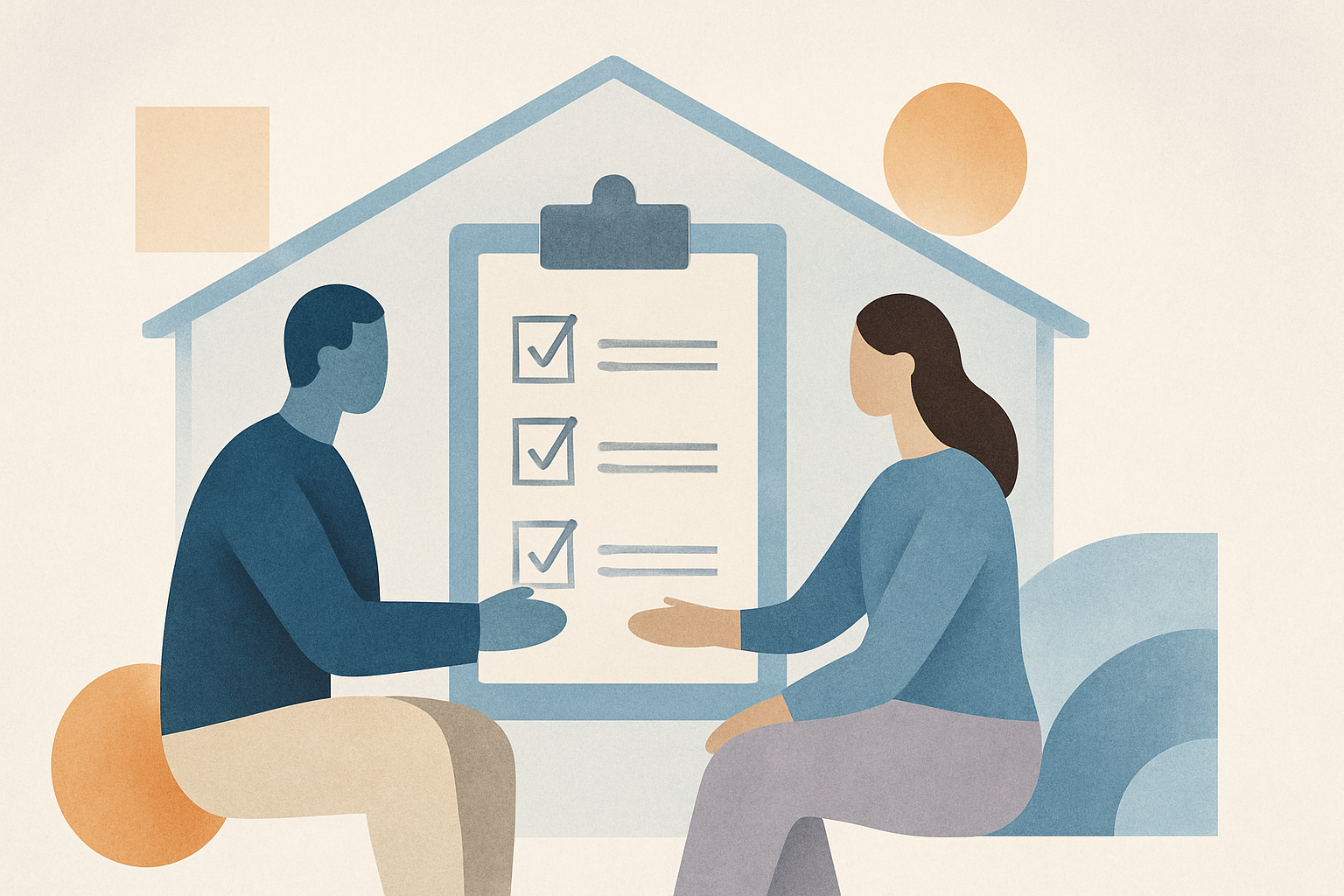
1. Define Custody and Visitation: Clearly outline who has legal and physical custody and create a detailed visitation schedule. 2. Establish Communication Protocols: Determine how you will communicate and share updates regarding your children. 3. Include Flexibility: Allow room for adjustments to accommodate changes in your children's needs and schedules. 4. Incorporate Dispute Resolution: Outline steps for resolving conflicts, such as mediation or involving a parenting coordinator. 5. Plan for Holidays and Special Events: Specify arrangements for holidays, birthdays, and other special occasions. 6. Review Regularly: Set periodic review dates to assess and modify the plan as necessary. 7. Seek Professional Guidance: Consult with professionals like family counselors or mediators to support your co-parenting journey.
### ---
Disclaimer: This article is provided for informational purposes only and does not constitute legal advice. Every family situation is unique, and outcomes vary based on jurisdiction and specific circumstances. If you have legal questions about custody, visitation, or family law matters, please consult with a qualified family law attorney in your area.
---
Frequently Asked Questions
Common questions about family law.
What should a parenting plan include?**
A parenting plan should include custody arrangements, a visitation schedule, communication guidelines, holiday arrangements, and dispute resolution mechanisms. **
How often should we review our parenting plan?**
It's advisable to review your parenting plan at least once a year or whenever significant changes in circumstances occur. **
Can a parenting plan be modified?**
Yes, a parenting plan can be modified to better suit the evolving needs of the children and the parents, provided both parties agree or through legal channels if necessary. **
What is the role of a parenting coordinator?**
A parenting coordinator assists in resolving disputes, ensuring compliance with the parenting plan, and helping parents communicate more effectively. **
Why is flexibility important in a parenting plan?**
Flexibility is important to adapt to unforeseen circumstances and ensure the plan remains effective and relevant to the children's needs. **
Is mediation mandatory in resolving parenting plan disputes?**
While not mandatory, mediation is often recommended as a first step in resolving disputes due to its collaborative nature and focus on finding mutually agreeable solutions. ### Supportive Conclusion Creating an effective parenting plan is an investment in your children's well-being and your co-parenting relationship. By focusing on essential elements, building flexibility, and incorporating dispute resolution strategies, you can create a supportive and adaptable framework that meets the unique needs of your family. Remember, the goal is to provide a nurturing environment for your children, and consulting with professionals can offer valuable insights and support along the way. **ADDITIONAL_KEYWORDS:** co-parenting, family law, child custody, mediation, parenting coordinator
Related Topics
Legal Disclaimer
This article is for informational purposes only and does not constitute legal advice. Family law varies by jurisdiction. Always consult with a qualified family law attorney for advice specific to your situation.
VisitProof Team
The Visit Proof team is dedicated to helping families navigate supervised visitation with professional tools and resources for supervisors, agencies, and families.
Learn more about Visit Proof